
Have you ever watched your youngster completely absorbed in a glowing rectangle, their world narrowed to pixels and sound effects? That quiet worry many parents feel—noticing that kids prefer video games over real life—is a common starting point for a crucial conversation.
Justin Talbert, a Student Pastor in Arkansas, offers a fresh perspective. He observes that gaming today is vastly different from what it was a decade ago. This evolution means our approach must change, too.
Seeing a son or daughter deeply engaged with digital entertainment doesn’t signal a social failure. Our world is tech-saturated, and these platforms are a major part of modern childhood. The goal isn’t to eliminate them but to find a healthy balance.
This guide will help you nurture that balance. We’ll explore practical ways to guide your child toward diverse, fulfilling interests. You can help them discover that joy and accomplishment exist far beyond the screen.
Key Takeaways
- Modern gaming has evolved significantly and is a common part of today’s youth culture.
- Parental concern about excessive screen time is valid and shared by many families.
- A child’s engagement with digital play does not equate to a lack of social skills.
- Establishing a healthy balance between technology and other activities is essential.
- Parents can successfully guide their children toward a wider range of interests.
- Setting clear, consistent boundaries is a key first step in this process.
- Real-world play and hobbies offer unique benefits for a child’s development.
Introduction: Exploring a World Beyond Video Games
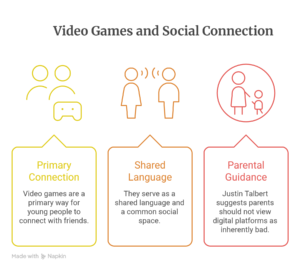
The journey toward a more balanced lifestyle begins with understanding, not restriction. For many young people, video games are a primary way to connect with friends. They serve as a shared language and a common social space.
Justin Talbert, a Student Pastor in Little Rock, Arkansas, offers wise counsel. He suggests we should not view these digital platforms as inherently bad. This perspective is vital for parents seeking to guide their children.
Before establishing limits, invest time to learn about this digital world. Inquire with your son or daughter about their favorite titles. This builds trust and opens a constructive dialogue.
How to get your child interested in activities beyond screens online
Start by demonstrating genuine curiosity about their gaming experiences. Sit alongside them and observe a session. Ask questions about the characters and objectives.
This shared interest becomes a powerful bridge. It transforms suggestions for other activities into a natural progression, not a punishment.
Setting the Stage for a Screen-Free Lifestyle
Creating equilibrium is the ultimate objective. Designate specific periods for digital entertainment and distinct times for family hobbies. Consistency is key.
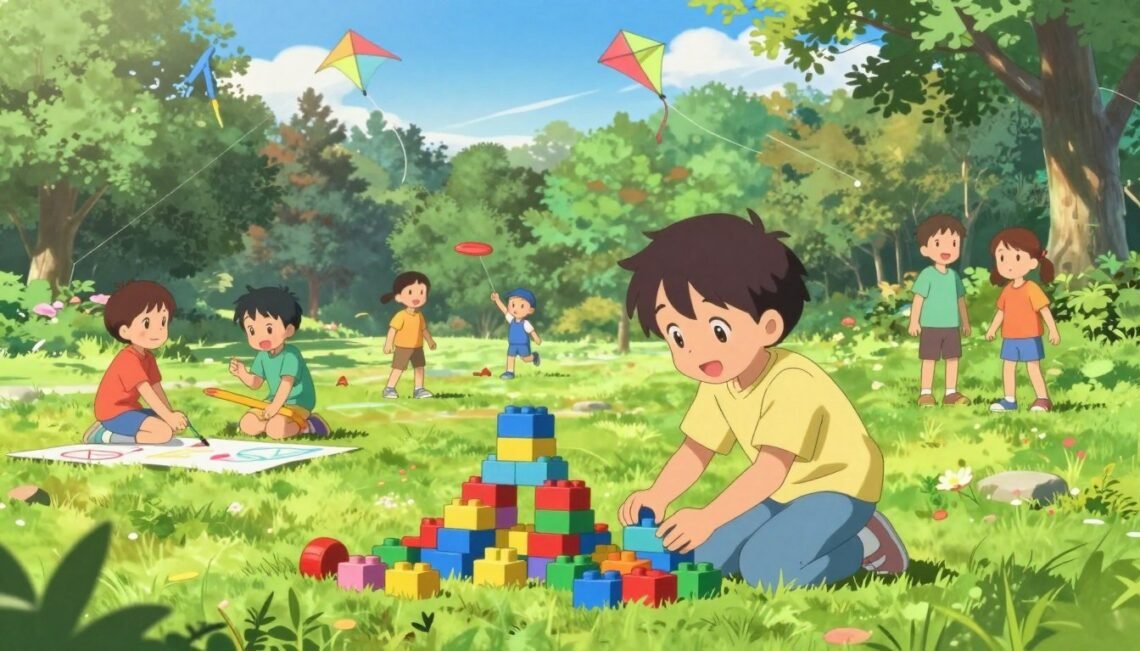
Offer appealing alternatives that align with your child’s interests. If they enjoy construction within a game, provide physical building blocks. This approach enriches their daily life with diverse experiences.
Understanding the Digital Dilemma: Why kids prefer video games over real life
The magnetic pull of digital worlds isn’t just about flashy graphics. It’s rooted in fundamental human psychology.
These platforms meet core emotional needs that are sometimes hard to find elsewhere. For some young people, this is especially true during the school day.
The Psychological Allure Behind Video Games
Author Dr. Leonard Sax explored this phenomenon in his book “Boys Adrift.” He notes that interactive media can offer a powerful sense of significance.
This is particularly appealing when a child feels overlooked or struggles in other areas, like at school. The virtual environment provides clear goals and immediate feedback.
Dopamine, Rewards, and the Need for Control
The brain’s chemistry plays a major role. Fun activities trigger the release of dopamine, a neurotransmitter linked to pleasure.
This is the same reward system studied by psychologist B.F. Skinner. Modern video games are masterful at delivering these satisfying “hits.”
They use variable reward schedules, much like Skinner’s classic experiments. Players keep engaging because they never know exactly when the next reward will come.
Mastering a level gives a youngster a tangible feeling of control and competence. This can be a compelling escape if they feel a lack of friends or success in their daily life.
Of course, this achievement is temporary. Recognizing this dynamic is the first step for parents addressing the problem.
It’s not merely about the games themselves. It’s about the unmet needs they are filling for a time.
Creative Strategies for Engaging, Screen-Free Alternatives
Effective alternatives to digital entertainment must fulfill the same core needs that attract children to games. The goal is to offer activities that provide a genuine sense of achievement and autonomy.

As Richard R., a doctoral student at Notre Dame, notes, doing something significant in real life is vital. This principle guides age-specific ideas.
Non-screen activities for 12-year-olds
Preteens crave competence. Guide them toward hands-on projects like building a model or learning basic woodworking. These tasks build tangible skills.
Screen-free activities for a 5-year-old
Young children need autonomy. Provide open-ended physical play. Think of sandboxes or dress-up corners that mimic the exploration of open-world video games.
Screen-free activities for 7-year-olds
This age enjoys structured challenges. Set up outdoor scavenger hunts or complex block-building tasks. These mimic the level progression found in popular games.
Screen-free activities for a 10-year-old
Encourage creative hobbies where they can master new skills. Painting, coding a simple robot, or learning an instrument offers a tangible sense of progress.
Parents should remember that replacing gaming with real-world experiences requires patience. Youngsters need time to adjust to a different pace.
Parenting Tips for Transitioning from Screens to the Real World
Modeling a rich, screen-free life is the most powerful lesson you can offer your child. Your actions speak louder than any rule. When parents engage in offline hobbies, they demonstrate that fulfillment exists beyond the digital realm.
How to get your child interested in activities beyond screens
Begin with genuine curiosity. Ask your son or daughter to explain why they enjoy their favorite video games. This builds a bridge of trust.
If you notice a problem with excessive screen time, consider its root. Is your child using these games to cope with a tough day? Understanding this feeling is crucial.
No screen time activities for adults
Adults must lead by example. Engage in your own offline pursuits, like gardening, reading, or crafting. This shows that real life is full of rewarding things.
Plan shared family activities that build a sense of connection. These moments help young people see that friends and family offer deeper joy than any video.
By consistently offering alternatives, you help your children understand that the real world provides experiences no console can match.
Conclusion
Ultimately, guiding a child toward diverse interests is about connection, not control. Balancing digital entertainment with other pursuits is a journey for parents. It requires patience and a deep understanding of their youngster’s world.
By recognizing what these interactive experiences provide, you can gently steer them. Help them find significance in the tangible world that surrounds them. Every shared moment, on or off-screen, builds trust.
Focus on fostering strong relationships and helping your son or daughter discover their unique path. The goal is for all people to find joy and connection in everyday life.





4 Comments
Pingback:
Pingback:
Pingback:
Pingback: