
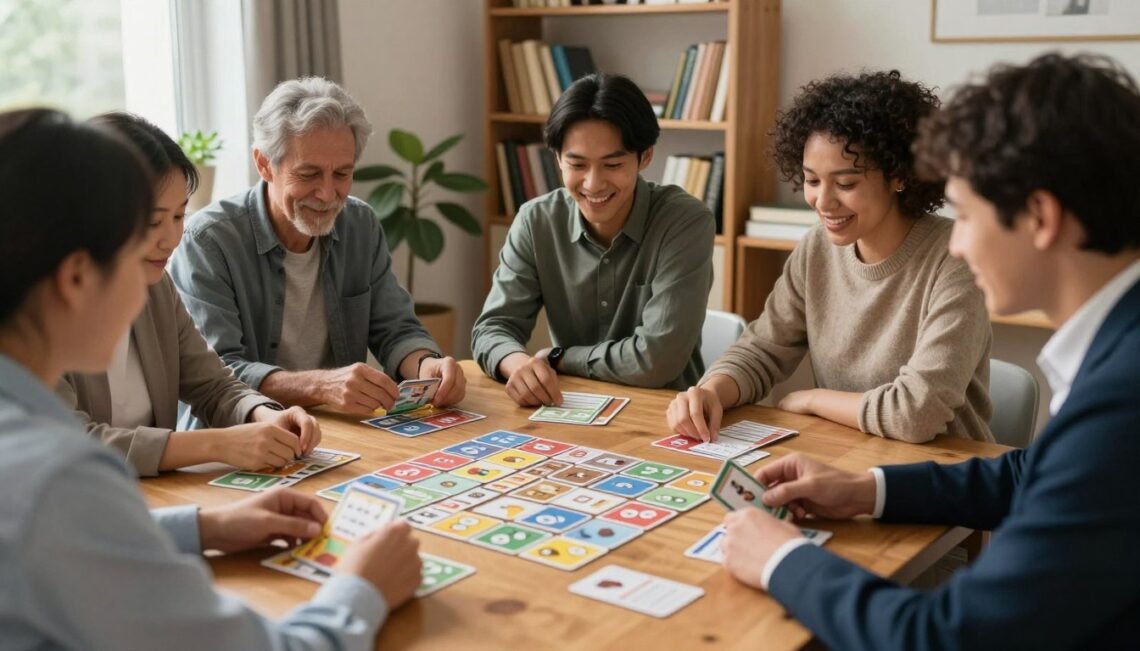
Your brain gradually changes as you age — research shows structural shifts begin in early adulthood. The good news: regular cognitive training exercises and a simple memory game routine can help preserve and even improve memory, attention, and processing speed. Think of this plan as a short daily workout tailored for your mind.
Establishing a steady memory game routine resembles physical training: short, consistent sessions build skill faster than occasional marathons. Modern apps such as IQ Boost (which highlights a large library of science-inspired mini-games) and programs like AARP’s Staying Sharp make it easy to add focused brain practice into your daily routines.
People of all ages benefit, from busy professionals squeezing in a 10-minute memory game during lunch to retirees who report better sleep and healthier habits after sticking with regular brain-workout activities. The trick is balancing variety, challenge, and frequency so the routine fits your day.
This guide walks you through a practical, week-by-week plan that targets different cognitive skills with short sessions you can actually maintain. Read on to build your personalized schedule and start seeing real improvements in memory and mental agility.
Key Takeaways
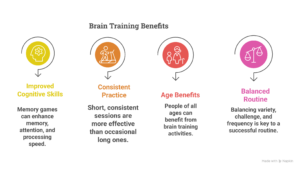
- A consistent memory game routine can help protect against age-related decline.
- Short, daily sessions outperform infrequent, long workouts.
- Combine digital apps and low-tech exercises for the best results.
- People of all ages benefit when games target multiple cognitive domains.
- Small, everyday changes to your daily routines deliver measurable gains over time.
Understanding the Science Behind Memory Games and Brain Training
Memory exercises are more than entertainment — they tap into real, well-studied brain mechanisms. The adult brain remains adaptable: when you practice targeted tasks, you strengthen the neural pathways that store and retrieve information. Below we summarize how that process works and why short, focused training shows measurable results.
How Neuroplasticity Shapes Your Cognitive Abilities
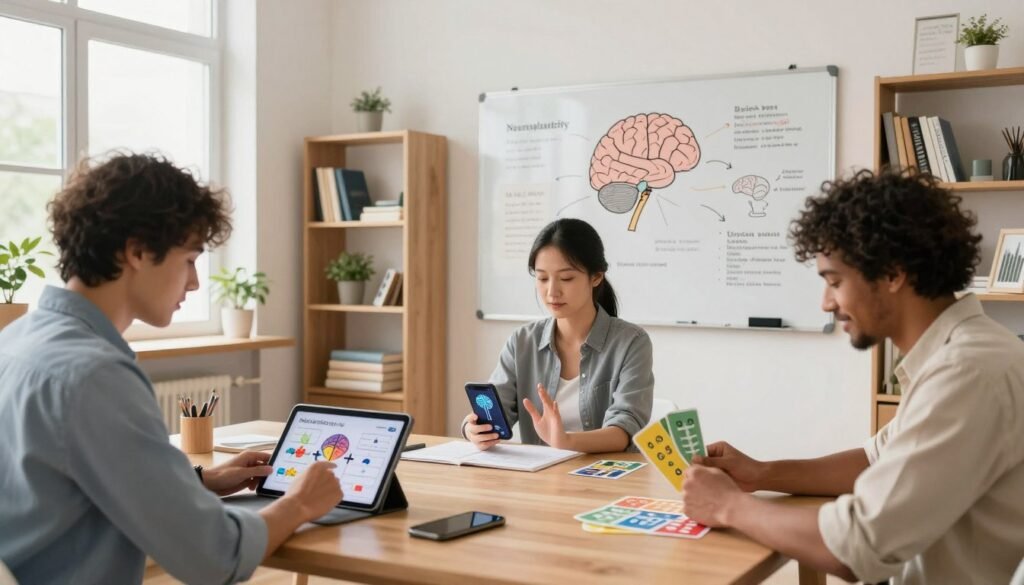
Neuroplasticity is your brain’s ability to rewire itself in response to experience. Practicing puzzles, matching tasks, or strategic games repeatedly strengthens synaptic connections and makes those pathways easier to access. Well-designed programs (including research-informed apps) target memory, attention, and problem-solving to produce durable improvements.
The Connection Between Dendrites and Memory Formation
Dendrites — the branched projections of neurons — grow and form new connections when stimulated. Stronger dendritic networks support:
- Faster communication between cells
- More reliable memory retrieval
- Greater capacity for learning new material
These biological changes help explain why consistent memory practice, including simple matching and matching pairs exercises, often leads to measurable performance gains.
Research-Backed Benefits for Adults and Seniors
Multiple studies link mentally engaging activities to better cognitive health. For example, research tracking older adults who regularly engaged in challenging games showed lower rates of cognitive decline versus less-active peers. The evidence supports including targeted memory game practice in weekly schedules to improve day-to-day recall and attention.
The brain is like a muscle — the more you challenge it, the stronger it becomes.
These findings show why adding neuroplasticity exercises to your routine is worthwhile. Scroll down to see practical exercises and sample schedules that show how brief, regular practice produces the best long-term results.
Essential Components of an Effective Memory Game Routine
Not all brain training plans deliver the same benefits. A reliable daily mental fitness practice blends three core elements: purposeful variety across cognitive domains, adaptive challenge, and short, consistent sessions you can sustain. Below are the practical components to include in your weekly routines.
Balancing Different Cognitive Domains
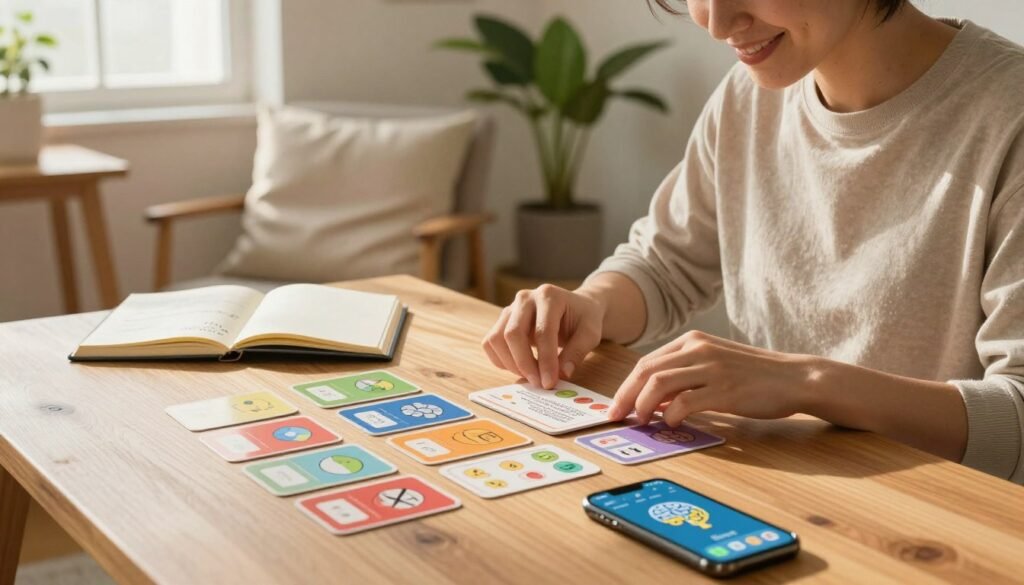
Your brain contains multiple systems; a well-rounded cognitive exercise schedule targets several at once. Aim to rotate exercises that emphasize:
- Working memory and short-term recall
- Attention and focus
- Processing speed
- Problem-solving and logic
- Verbal fluency and language skills
Use assessments built into platforms (or simple self-checks) to track which domains need more work and adjust your options accordingly.
Adaptive Difficulty and Progressive Challenges
Challenge must scale with your skill. Static tasks quickly plateau; adaptive difficulty keeps you in the sweet spot of improvement. Choose games and apps that increase complexity as you improve — whether through faster sequences, more items to remember, or trickier matching mechanics. If the tool offers social features, you can opt to show a leaderboard or hide it depending on whether competition helps your motivation.
Daily Practice vs. Extended Sessions
Short, frequent sessions generally produce better results than rare, long workouts. A practical cognitive exercise schedule you can try:
- 10–15 minutes of focused brain games each morning
- A quick 5–10 minute puzzle or word challenge midday
- A 10–15 minute review or social playing session two to three times per week
A little practice every day beats a marathon once in a while.
What to aim for this week (sample):
- Day 1–2: Working memory drills (sequence recall, Dual N‑Back options)
- Day 3: Visual matching and matching pairs games
- Day 4: Attention/target reaction exercises
- Day 5: Verbal drills (word lists, anagrams)
- Weekend: Social game night or a longer strategy session (playing chess or a board game)
Many apps support streaks, progress charts, and optional leaderboards — try different settings to see which options keep you engaged. If you prefer privacy, disable social features or choose leaderboard disabled when available.
Visual Memory Games to Sharpen Your Recall
Your eyes collect far more information than you consciously notice. Visual memory games train your brain to encode and retrieve those visual details — skills you use every day when you find keys, remember faces, or navigate a room. Because these exercises engage strong perceptual pathways, they’re among the most efficient memory enhancement techniques you can add to your routine.
Memory Match and Symbol Pairing Exercises
Think of the classic card-flip game: reveal two cards, remember locations, and find the pairs. Adult versions add complexity with more cards, time pressure, or abstract symbols. Apps and tabletop sets that use symbol pairing increase difficulty as you improve, strengthening short-term visual recall and forming lasting brain training habits.
Object Recall and Freeze Frame Techniques
Object-recall tasks show a scene filled with items for a brief period, then remove it and ask you to reproduce what you saw. Freeze Frame goes further by asking you to spot a subtle change between two images. These drills train spatial memory and detailed observation — useful for real-world memory demands.
Try this short at-home exercise (no app required):
- Place 10 random objects on a table
- Study them for 30 seconds
- Cover the objects and write down everything you remember
- Repeat daily, adding one or two new items each week
Spot the Difference for Enhanced Observation Skills
Spot-the-difference puzzles sharpen your ability to notice subtle visual shifts between two similar images. Regular practice improves focused attention and pattern detection — skills that transfer to everyday tasks. If you prefer printable practice, make a simple sheet of paired images or use a phone app that progressively increases difficulty.
Visual exercises (like matching pairs and object recall) give fast, practical wins — they train the memory systems you use most often.
Working Memory Exercises for Mental Agility
Your working memory is the brain’s short-term workspace — a mental sticky note that holds bits of information while you manipulate them. Strengthening this system speeds up real-world thinking, decision-making, and problem-solving. Building a compact mental agility routine around working-memory drills produces noticeable gains in daily performance.
Start with simple sequence recall drills: watch or listen to a growing pattern of colors, numbers, or tones and repeat it back. Increase difficulty by adding items or asking for reverse recall (repeat the sequence backward) to force deeper engagement.
The digit-span test (repeat a string of numbers forward or backward) is a classic measure tied to reasoning ability; researchers have found links between stronger digit-span performance and fluid intelligence. For a higher challenge, try Dual N‑Back: you track two simultaneous streams (for example, a grid position and an audio letter) and indicate when the current stimulus matches the one N steps earlier. Dual N‑Back is widely used in cognitive training research and shows promising results for working-memory gains.
Sample weekly structure for a focused routine:
- Sequence recall drills — 10 minutes, three times per week (try visual or audio game formats)
- Forward and reverse digit span — 5 minutes daily
- Dual N‑Back sessions — 15 minutes, two to three times per week (choose difficulty options that scale)
Short, frequent practice beats infrequent marathons — consistency is the secret to progress.
Quick example you can try now: display a 6-color sequence (red, blue, green, yellow, blue, red) for a few seconds and attempt to repeat it forward and then backward. Track improvements to see how playing these drills regularly starts to show measurable gains. If available, use an on-screen demo or small GIF to show the pattern during practice.
Attention and Focus Training Activities
Strong attention is the foundation of reliable memory: if your mind doesn’t focus on new information, it can’t encode it for later recall. Targeted brain workout activities train your ability to concentrate, filter distractions, and respond with control — skills that boost everyday learning and performance.
Below are three compact exercise types you can add to your routine to build laser-like concentration.
Pattern Recognition and Sequence Following
Pattern games (think flashing sequences you reproduce) teach your brain to spot order in noise. Try a 60-second micro-drill: watch a short color or tone sequence, pause, then reproduce it. Each successful repetition strengthens attention and short-term recall simultaneously.
Sequence-following drills are effective memory strategies because they require sustained focus while holding recent items in mind.
Reaction Time Improvement with Target Games
Processing speed matters. Target-tapping exercises ask you to hit specific objects quickly while ignoring distractors, improving selective attention and response speed. Popular formats include:
- Tap the Target — hit only the correct shape among distractors
- Flash Count — count briefly appearing objects before they vanish
- Color Match — respond only when color and word align
Many apps let you show a personal progress chart or hide competition; if you like competition, enable the leaderboard option, otherwise turn it off for focused practice.
Stop Signal Tasks for Impulse Control
Stop Signal tasks train inhibition: you prepare to respond but must withhold action when a stop cue appears. This strengthens prefrontal control networks that support both attention and working memory.
Training your brain to pause before reacting strengthens the same networks that support decision-making and memory.
Quick baseline test: time how many correct taps you make in 30 seconds on a simple target game, then repeat weekly to track improvement. Small, regular practice sessions (2–10 minutes) compound into noticeable gains in attention and overall cognitive control.
Verbal and Language-Based Brain Workouts
Words are among the most practical tools for strengthening memory. Language-based games challenge verbal processing, retrieval speed, and flexible thinking — skills that improve conversation, reading, and everyday recall. Adding short verbal drills to your cognitive exercise schedule builds those neural pathways efficiently.
A simple starting point is Word Recall: study a short list of words for 30–60 seconds, wait a few minutes, then write down everything you remember. Repeating this drill over days and weeks improves both short-term and long-term retention.
Quick micro-exercises (5 minutes each) to try this week:
- Word Category Switch — list words and rapidly re-sort them into changing categories (e.g., animals → foods → tools).
- Anagram Sprint — set a 60-second timer and form as many words as possible from a 7-letter scramble.
- Word Sequence — memorize five words in order, then recreate the exact sequence after a one-minute distraction.
- Odd Word Out — scan a group of words and pick the one that doesn’t fit; explain why.
Board games like Scrabble are excellent weekly additions too — they combine timed word retrieval with strategic thinking and social interaction. If you want to practice solo, printable word lists or a quick on-screen memory game app do the trick.
“Language is the dress of thought.” — Samuel Johnson
Weave 10–15 minutes of verbal practice into your day (morning word recall, midday anagram sprint, evening Scrabble or word-sharing session). Share progress with friends or a study partner to stay motivated — a short daily habit builds clear, lasting improvements in verbal memory.
Strategic Board Games for Cognitive Enhancement
Board games combine challenge, strategy, and social interaction — a powerful mix for neuroplasticity. Different games exercise different cognitive skills, so adding a weekly game session to your brain training habits gives variety, motivation, and real-world transfer to everyday thinking.
Chess and Checkers for Problem-Solving Skills
Chess trains planning, pattern recognition, and long-term strategy by forcing you to evaluate many possible moves ahead of time; checkers provides a simpler but similar training ground. Regularly playing these strategy games strengthens reasoning and decision-making abilities that help outside the game board.
Scrabble for Vocabulary Expansion
Scrabble is a weekly workout for verbal memory and word retrieval. Under time pressure, you search your mental dictionary and form words quickly — excellent practice for fluent recall in conversation and reading. If you enjoy solo practice, timed word drills or anagram sprints mirror Scrabble’s cognitive demands.
Risk and Monopoly for Decision-Making Practice
Strategy-heavy social games like Risk and Monopoly exercise planning, risk assessment, negotiation, and resource management:
- Risk — practices long-term planning and trade-offs, accepting short-term losses for future gains
- Monopoly — trains budgeting, asset management, and social bargaining
Regular social gameplay adds motivation and real-world context to mental training — it’s practice plus people.
Try scheduling a weekly game night and rotate games to target different skills. If you use apps or online platforms, explore settings that control visibility (for example, enable or disable a leaderboard if competition helps or hinders you). If you’re organizing a group, identify a clear owner or resource owner for logistics and share a simple invite template so everyone knows the format.
Digital Brain Training Platforms and Apps
Your phone or tablet can turn spare minutes into effective practice. A growing ecosystem of apps brings short, science-informed exercises to your fingertips so you can fit a daily mental fitness practice into commutes, breaks, or quiet evenings.
Lumosity and Science-Based Training Programs
Popular platforms like Lumosity offer large libraries of games targeting memory, attention, and processing speed, often paired with personalized plans. Alternatives such as Memorado provide free puzzle-style challenges for users who prefer a lower-cost option. AARP’s Staying Sharp combines interactive challenges with periodic assessments to help you track changes over time.
Mobile Apps with Adaptive Difficulty Features
The most effective apps adapt in real time so you stay challenged but not overwhelmed. For example, IQ Boost (iPad) presents many scalable mini-games that increase in complexity as you improve. Typical adaptive features include:
- Daily challenges that refresh each morning
- Streak systems with protective shields to preserve progress
- Rank or XP progression from Beginner to advanced tiers
Progress Tracking, Social Options, and Privacy
Motivation tools like XP, saved levels, and visual progress charts make returning to practice easier. Many platforms also offer social features—shared leaderboards, friend challenges, and the ability to share scores. If you prefer private practice, look for a leaderboard disabled option or settings to hide shared results.
Before you sign up, check the app’s privacy settings: does it ask to use cookies, keep a log of sessions, let you edit profile data, or show a contact for the resource owner? A quick settings checklist to follow:
- Review cookie/privacy policy and enable minimal tracking where possible
- Export or inspect activity logs if available
- Decide whether to enable social features or keep progress private
- Locate resource/owner contact for support or data requests
- Download any available templates or progress reports for sharing
Short, adaptive digital sessions plus clear progress tracking make it easy to turn isolated minutes into measurable improvement.
If you want to compare platforms, consider making a simple matrix (features vs. privacy vs. cost) or downloading a small comparison template to help choose the best app for your goals.
Traditional Puzzle Activities for Daily Mental Fitness
You don’t need an app to keep your mind active. Classic puzzles—like the ones in your local newspaper—are convenient, low-cost ways to build a steady memory game routine. Crosswords, Sudoku, and word searches are easy to slot into mornings, commutes, or waiting-room downtime.
Make puzzles a simple, repeatable habit that fits your day. A short crossword with your coffee or a quick Sudoku while waiting is often more sustainable than trying to carve out long sessions. The key is consistency and gradually increasing difficulty when a puzzle type becomes too easy.
Rotate puzzle types to challenge different skills and avoid plateaus. Consider cycling through these options:
- Crosswords — vocabulary, verbal recall, and clue-solving
- Sudoku — logic, pattern recognition, and number reasoning
- Word searches — visual scanning and pattern detection
- Jumble puzzles — creative problem solving and word formation
Reputable organizations highlight the benefits of regular mental stimulation; for example, Sudoku and other puzzles are commonly recommended as part of an overall brain-health routine. If you prefer paper, use larger-print versions for comfort and accessibility.
Puzzles are more than pastime — they’re a practical daily workout for the mind.
Pair printed puzzles with digital practice (apps or short online drills) to create a balanced memory game routine. Tip: keep a small puzzle log to track which types you did and how difficult they felt—this makes it easier to change up options and measure progress over time.
Creating Your Personalized Weekly Schedule
Turning scattered practice into a consistent habit is the difference between occasional play and lasting gains. A practical mental agility routine fits into your existing day — short, repeatable activities that match your energy and schedule. Below are easy ways to fold brain training into daily life without adding stress.
Morning Routines with Newspaper Puzzles
Start small: pair a crossword or Sudoku with your morning coffee. This pairs a pleasant ritual with a quick cognitive boost, making the habit stick. Newspaper puzzles provide fresh daily challenges and are a low-tech way to jump-start focus each morning.
Incorporating Games into Daily Activities
You don’t need a dedicated hour. Slot brief exercises into pockets of downtime to build momentum across your daily routines:
- Play a 5–10 minute word or matching game on your phone during your commute (or a similar micro-session)
- Practice mental math or a quick sequence recall while waiting in line
- Use an app during lunch breaks — keep streaks with protective shields if offered
- Try a pattern-recognition puzzle while you wait for appointments
These small moments add up: weave them into your day so training becomes a natural part of how you live.
Building Streaks and Maintaining Consistency
Consistency beats intensity. Use simple motivators to keep going: calendar reminders, a short shared challenge with a friend, or a visible streak on an app. If you organize group sessions, create and share a short invite or template so everyone knows the plan and the resource (who hosts or provides materials). Make the plan editable so you can edit times or difficulty as needed.
The best brain-training schedule is the one you actually follow every day.
Practical next steps: download a 7-day planner (or create your own quick template) and assign 10–15 minutes each morning, a 5–10 minute midday boost, and a short evening review two or three times a week. Start with a beginner routine and edit it after a week based on what worked — then share the template with a friend to stay accountable.
Social Memory Games for Group Engagement
Turning brain training into a shared activity makes it more fun and more likely to stick. Social memory games require little or no equipment, strengthen recall through repetition, and add the motivational boost of friendly competition.
The Grocery List Game and Variations
One player begins, “I went to the store and bought…” and names an item. Each player repeats the chain and adds a new item; the list grows until someone forgets. This simple verbal chain trains sequential recall and attention.
Variation ideas to increase challenge or variety:
- “My favorite books are…” — use full titles to raise difficulty
- “On my vacation, I packed…” — great for travel-themed groups
- “At the party, I met…” — name people or characters to test associative recall
No materials required — just people, a willing host, and a playful spirit.
Weekly Game Nights with Friends and Family
Schedule a weekly game night to mix social connection with targeted cognitive challenge. Rotate games to train different skills: memory-pairing games and card-based pairs exercises one week, word games like Scrabble another, and strategy titles (Risk, chess) another. Regular social play combines cognitive workout with emotional and social benefits.
Virtual and Community Variants
For virtual groups, use video calls and share screens for matching or spot-the-difference rounds. In-person community options include trivia nights, senior-center game groups, or local clubs. Identify a clear owner or resource owner to coordinate schedules, and prepare a simple printable score sheet or agenda to keep sessions flowing.
Playing together isn’t just entertainment — it’s an investment in cognitive and social health.
Quick facilitation tips: set a 60–90 minute window, rotate game leaders, and share results or highlights after each session to build momentum. If you host regularly, create a reusable invite or planning resource so others can share and reuse the format.
Conclusion
Keeping your brain sharp follows the same principle as keeping your body fit: short, regular workouts produce the best results. A well-designed memory game routine — combining digital exercises, traditional puzzles, and social play — gives your mind the daily practice it needs to stay flexible and resilient at any age.
Research from major health organizations and peer-reviewed journals supports the value of targeted cognitive activity for reducing long-term risk factors and improving everyday function. These activities are more than pastime; when done consistently they deliver measurable benefits for memory, attention, and problem-solving.
Build a balanced weekly plan: use adaptive apps for focused sessions, solve a morning crossword or Sudoku for low-tech practice, and schedule a weekly game night for social engagement. Mix in matching pairs or visual memory drills and short working-memory games to target different domains. If you use apps, review privacy settings (do they use cookies, keep a session log, or let you share scores?) and choose whether to enable social features or keep the leaderboard disabled.
Start small and stay consistent — even a few minutes a day adds up. Download a simple 7-day template to plan and edit as you go, assign a session owner if you host group play, and consider exporting or saving progress reports from apps so you can track results. Share your success and resources with friends to stay motivated.
Ready to begin? Try a 7‑day memory challenge: pick three short daily exercises, log your sessions, and review progress at the end of the week. Your brain is ready to grow — give it consistent practice and the right mix of activities, and you’ll see the benefits.