

What if your youngster’s tears prior to the classroom aren’t a sign of weakness, but a natural step toward building resilience?
That heart-wrenching moment at drop-off is a shared experience for many families. Author Ali notes it’s incredibly common, especially on the first day. This transition sparks big feelings for our little ones.
According to experts at EuroKids, with over 25 years of experience since 2001, this reaction is often separation anxiety. It’s a natural response to a new environment. Seeing your kid upset can feel overwhelming for any mom or dad.
Staying calm is the best way to help your child feel secure. A consistent morning routine can significantly reduce those anxious feelings. You are not alone; thousands of parents across 550 cities navigate this same hurdle.
By validating their emotions, you create a safe space. Most kids adjust to their new routine within a few weeks. Patience and support make all the difference during this day-to-day transition.
Key Takeaways
- Morning tears are a normal part of development for many young children.
- Separation anxiety is a natural reaction to new situations and transitions.
- Parents can help by staying calm and maintaining a predictable routine.
- Validating your child’s feelings creates a foundation of security and trust.
- Most children adapt to the school environment within a few weeks with consistent support.
- You are part of a large community of parents experiencing similar challenges.
- Professional guidance, like that from established institutions, confirms these are common phases.
Understanding School Drop-Off Anxiety
This common morning scene is rooted in a biological drive for safety and connection with caregivers. For many youngsters, the school drop-off triggers a powerful emotional response known as separation anxiety.
It’s a natural part of early development, not a behavioral problem. Your little one sees you as their primary protector.
What Causes Separation Anxiety?
This form of anxiety stems from a strong, healthy attachment. EuroKids experts note that children view their parents as their safe base.
Leaving that base for a new environment, like a preschool, feels like a big emotional event. It’s especially common during a child‘s first year in a structured setting.
Recognizing Early Signs of Distress
Spotting clues early is the best way to help. These signs often appear before any tears at the gate.
- Clinginess or reluctance to get dressed in the morning.
- Complaints of stomachaches or headaches when it’s time to leave.
- Unusual resistance to the normal routine.
A professional teacher can offer great insight into how your student interacts during the day. They see patterns that a mom or dad might miss at home.
When Child Cries Before School: Recognizing the Signs
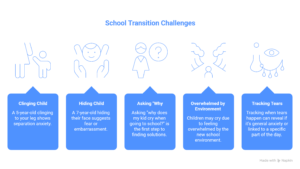
A 5-year-old clinging to your leg and a 7-year-old hiding their face tell very different stories. Spotting these specific patterns is key to providing the right support.
Why Does My Child Cry When Going to School?
Asking “why does my kid cry when going to school?” is the crucial first step. Experts confirm this question opens the door to real solutions.
Often, it’s a sign they feel overwhelmed by the transition or the new school environment. Tracking when the tears happen can reveal if it’s general anxiety or linked to a specific part of the day.
Identifying Age-Related Patterns (7-Year-Old vs. 5-Year-Old)
The reasons for distress often shift with age. Understanding this helps you tailor your approach perfectly.
- A 5-year-old crying at school drop-off typically centers on separation from parents. This is common in preschool and the first year of structured learning.
- A 7-year-old crying at school may face different pressures, like navigating friendships or academic stress. Their concerns are often more social.
Recognizing these patterns is how you move from worry to an effective plan. It’s the foundation for all the supportive strategies that follow.
Preparing Your Child for a Confident School Day
Preparation is the secret weapon that turns anxious goodbyes into cheerful waves at the school gate. When your youngster knows what to expect, the entire transition feels manageable. This proactive approach builds a foundation of security for the entire school day.
Creating a Consistent Morning Routine
A predictable morning sequence is one of the most effective tools you have. As Ali suggests, practicing this routine on weekends makes it second nature before the academic year begins.
In 2025, experts highlighted that rehearsing steps—from brushing teeth to packing bags—lowers anxiety for every student. This consistency provides a sense of stability, helping kids manage big feelings.
When the morning is calm and organized, your little one starts their day focused and positive. Teachers often note that predictable routines lead to fewer tears and smoother transitions.
Role-Playing School Drop-Off Scenarios
Acting out the drop-off process is a powerful strategy. It allows your kid to practice saying goodbye in a safe, low-pressure environment.
If your student is nervous about their first day, this role-playing helps them visualize walking to class. They gain a sense of control over their day.
When parents know their youngster is prepared, they approach the gate with more confidence. That calm assurance is contagious, making the actual moment much easier for everyone.
Quick and Effective Drop-Off Strategies
A swift and cheerful departure is often the most effective strategy for reducing morning distress. This approach turns a potentially emotional moment into a smooth transition.

Keeping the Goodbye Brief and Positive
As parenting expert Ali advises, give one hug, say “I love you,” and walk away confidently. Lingering at the gate can signal to your kid that there is something to worry about, increasing their anxiety.
When you leave quickly, you show your little one you trust their ability to handle the school day. Many teachers agree that long goodbyes make it harder for children to join their class.
If your student is struggling, keep your tone upbeat. Remind them you will be back at the end of the day. Avoid discussing any negative school experiences in front of them.
By staying composed, you validate feelings without reinforcing fear. A quick school drop-off allows the teacher to step in with a distracting activity. This is the best way to help kids move past their tears.
Your confidence is the most powerful tool for navigating a new year. It helps your child build resilience against drop-off anxiety.
Building Comfort Through Rituals and Items
A special ritual or a familiar object tucked in a backpack acts as an emotional anchor during times of transition. These small connections build a bridge of security between home and the classroom.
Using Comfort Items and Family Photos
Providing a tangible item offers immediate comfort. A small family photo or a favorite stuffed animal helps your child feel connected to home while at school.
Many parents find matching bracelets help their kid feel close to their mom throughout the day. Books like Audrey Penn’s The Kissing Hand are wonderful resources for the year.
This classic story provides relatable narratives that ease separation anxiety. Most teachers support small comfort items if they don’t disrupt learning.
Establishing a Secret Handshake or Special Ritual
Creating a unique goodbye routine is a fun and effective strategy. A secret handshake builds a special bond and provides a positive distraction at drop-off.
You can also draw a simple heart on your little one‘s palm. This discreet symbol offers comfort whenever they feel lonely.
These rituals empower kids by giving them a sense of control. Focusing on these positive connections helps your student build resilience for their first day and beyond.
Supporting Your Child at School: Teacher and Peer Approaches
Collaboration between home and the classroom creates a seamless support system for every student. Your youngster’s educator sees a different side of their day once you’ve left the building.
Partnering with Teachers for a Smoother Transition
That feedback is pure gold for any mom or dad. Teachers can tell you if your kid settles down quickly after those initial tears. This insight is crucial for managing anxiety throughout the academic year.
Open, regular communication ensures everyone supports your little one the same way. A quick chat at pickup or a note can make all the difference.
Educators have years of experience helping kids adjust. They might suggest a specific strategy that works for your child. Don’t hesitate to ask, “How is she doing ten minutes after I leave?”
Sometimes, the solution extends beyond the classroom. Arranging playdates with classmates can transform going school into something exciting. Friendships built outside of day school hours ease the first day jitters and beyond.
Remember, the teacher is your partner. Their goal is a positive experience for every student. Working together, you can turn crying school into confident learning.
Addressing Separation Anxiety Head-On
Moving beyond surface-level symptoms to uncover the root causes of distress is the cornerstone of effective support. This proactive stance empowers parents to move from managing reactions to solving the actual problem.
Understanding the Emotional Triggers
Specific events or feelings often spark a youngster’s apprehension. Tools like Julie Danneberg’s book First Day Jitters are fantastic for showing every student that nervousness is a shared experience.
Look for patterns linked to poor sleep or sudden schedule shifts. Social conflicts with peers can also be a major trigger for anxiety. Identifying these allows for better planning and earlier intervention.
Open conversations about feelings are crucial. A calm mom or dad sets a reassuring tone for the entire day. Collaborate with your teacher to create a consistent, supportive environment both at home and in the classroom.
If challenges continue, consulting a counselor can help. Validating emotions builds vital emotional intelligence for all kids. Stay flexible, as every child responds differently to support strategies.
Managing Everyday School Drop-Off Challenges
Persistent morning distress requires moving beyond quick fixes to establish a reliable framework that both home and school can support. When tears continue daily, it’s a sign to pause and reassess your collective approach.

Dealing with Persistent Tears (“My Child Cries at School Every Day”)
If your youngster hasn’t adjusted after three to four weeks, consult their educator about fresh strategies. Consistency from all caregivers is the cornerstone for managing ongoing anxiety.
Evaluate your current morning routine with your teacher. A predictable sequence helps kids feel secure by eliminating surprises. Work together to ensure classroom entry is welcoming each day.
Avoid discussing the morning’s tears during pickup. This can reinforce negative associations. Instead, ask about fun activities or new friends.
Stay patient and maintain your approach. With united support from parents and educators, the frequency of distress will decrease. This phase is temporary, and your child will soon embrace their classroom experience.
Handling the Embarrassment and Social Concerns
Building a youngster’s social armor against embarrassment starts with understanding why tears feel so public. As they grow, students become keenly aware of their peers’ opinions.
This social awareness can make any emotional display feel like a spotlight is on them.
Why Is Crying in School Embarrassing?
Experts note that many kids see crying as a sign of weakness in front of classmates. They fear being judged or teased during the day.
Your child might wonder, “Why is crying in school embarrassing?” It’s often about not wanting to appear different. Validating this fear is the first step to easing it.
Explain that everyone has big feelings. Tears are just one honest way to express them.
Building Your Child’s Social Confidence
Parents and teachers play a huge role here. Arrange playdates to help your youngster form strong friendships outside class.
These connections make the classroom feel safer and less intimidating. A mom can encourage her kid to share experiences without shame.
Focus on your child‘s strengths. Praise their efforts in activities they enjoy. This builds pride and capability.
When kids feel socially secure, they worry less about others’ opinions. A supportive home is the foundation for navigating these challenges with grace.
Conclusion
With the right strategies, the school drop-off can transform into a positive moment of connection. Helping your child through this phase is a journey that demands patience, consistency, and abundant love from parents.
Implementing the discussed approaches turns a stressful event into a confident start. Your support as a mom or dad remains the most important factor in building resilience. Maintain open communication with your teacher to ensure excellent care throughout the day.
Over time, your youngster will develop the resilience needed to face each school day with excitement. Most kids adjust with time and consistent support. Celebrate the small victories as they grow.
Stay positive and trust the process. This challenging phase is only temporary. You are doing an excellent job guiding your child forward.





One Comment
Ali
Thank you for your valuable content; it really helped my child