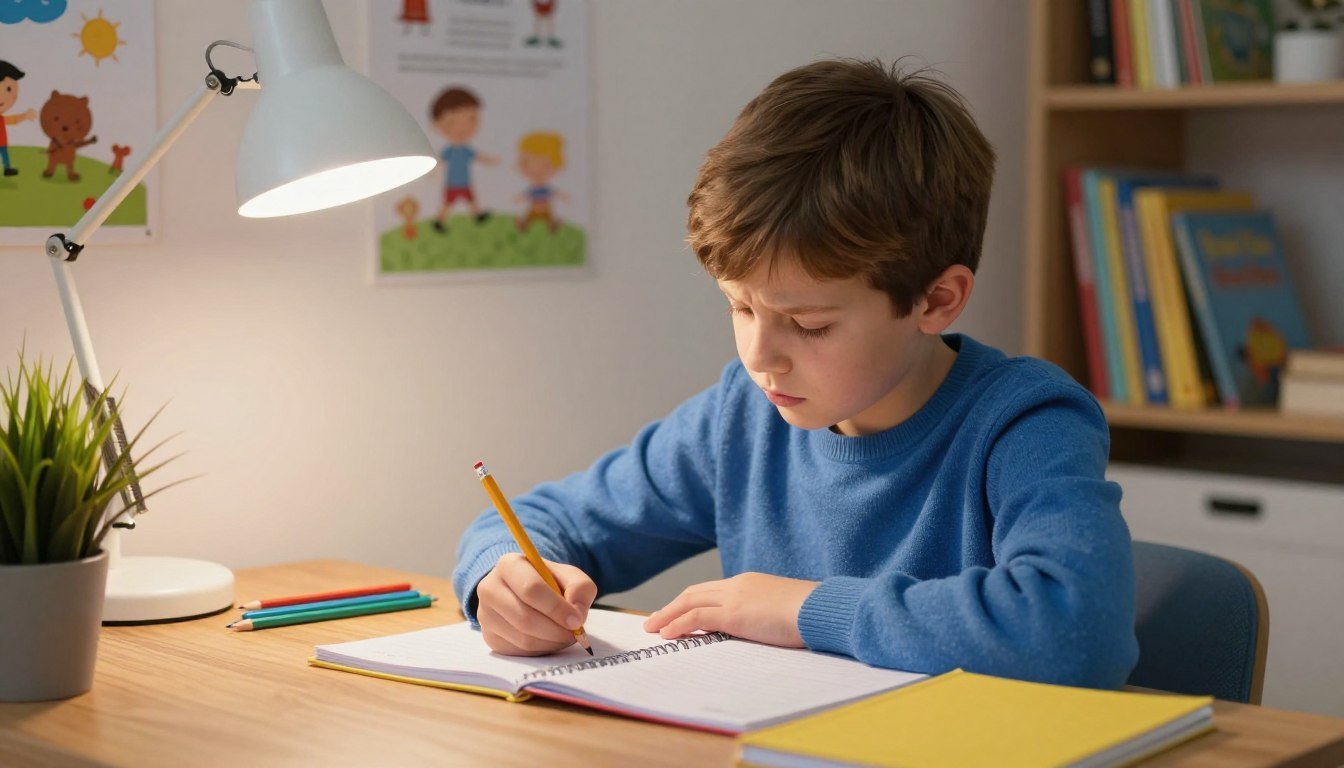

Getting enough sleep is key for kids’ growth. Teaching them healthy sleep habits is very important. Parents can use natural ways to improve child sleep to help.
Kids often have trouble sleeping, but there are ways to help. Turning off bright lights and electronics before bed is one. Also, keeping a regular sleep schedule and having a bedtime routine can help a lot.
By using these easy and effective methods, parents can help their kids sleep better. A well-rested child is happier, healthier, and ready for the day’s challenges.
Key Takeaways
- Establish a bedtime routine to signal sleep time
- Limit bright lights and electronics before bed
- Maintain a consistent sleep schedule
- Create a sleep-conducive environment
- Encourage physical activity during the day
Why Quality Sleep Matters for Your Child’s Growth
Children’s sleep is more than just rest. It’s key for their growth, affecting both their health and brain. Making sure your child sleeps well is vital for their happiness.
Physical Health and Immune Function Benefits
Good sleep is important for a child’s physical health and immune system. Sleep helps the body fix itself, grow strong, and fight off sickness. Without enough sleep, kids are more likely to get sick.
Brain Development and Emotional Regulation
Sleep is also vital for a child’s brain development and feelings. It helps the brain remember things and stay calm. Healthy sleep habits help kids feel better and do better in school. Furthermore, adequate sleep supports cognitive functions such as problem-solving and critical thinking, which are essential for academic success. When children experience restful sleep, they are more likely to manage their emotions effectively, leading to improved social interactions and resilience against stress. Establishing a consistent sleep routine can significantly enhance these benefits, ensuring that children are well-prepared to face the challenges of their daily lives.
Decoding Your Child’s Sleep Needs by Age
Understanding your child’s sleep needs by age is key for promoting healthy sleep patterns. It ensures they get enough rest. As kids grow, their sleep needs change a lot.
The American Academy of Pediatrics says knowing these needs is vital. It helps set a consistent sleep schedule that supports their growth.
Sleep Duration Guidelines from Infancy to Teens
How much sleep a child needs changes with age. Infants need 12-15 hours, while toddlers require 11-14 hours. School-age kids should sleep 9-11 hours, and teens need 8-10 hours each night. Establishing a bedtime routine that fits these guidelines can help regulate their sleep.

Spotting the Signs of Sleep Deprivation in Children
Sleep deprivation shows up differently in kids, based on their age. Signs include being irritable, having trouble focusing, and being too active. An expert says, “Sleep is key for a child’s day-to-day functioning.” Spotting these signs early helps parents improve their child’s sleep.
By knowing your child’s sleep needs and recognizing sleep deprivation signs, you can help them establish healthy sleep patterns. This is good for their health and well-being.
Creating a Sleep-Friendly Bedroom Environment
A well-designed bedroom is key for healthy sleep in kids. It’s important to make a sleep-friendly space to improve sleep quality. This can be achieved by keeping the room organized and free of clutter, which can help create a calming atmosphere. Additionally, incorporating soft colors and minimal distractions in the decor can further enhance relaxation. A cozy reading nook or a designated area for quiet activities can also encourage a peaceful mindset before bedtime.
Optimal Temperature, Lighting, and Noise Control
Controlling temperature, lighting, and noise is vital for a good sleep space. Keep the bedroom cool, between 67-72°F (19-22°C), for better sleep. Use blackout curtains or shades to block light, and a white noise machine or fan to mask sounds.
A cool room helps regulate body temperature. Darkness tells the brain to make melatonin, the sleep hormone. A quiet room helps your child sleep better.
Choosing the Right Bedding and Sleep Accessories
The right bedding and sleep accessories can make a big difference. Choose a comfortable mattress for support, and breathable bedding to keep cool.
Think about a sleep sack or weighted blanket for comfort and security. Make sure sleep accessories are safe and right for your child’s age. This way, you can make a sleep-friendly bedroom that helps your child sleep better.
The Power of Consistent Bedtime Routines
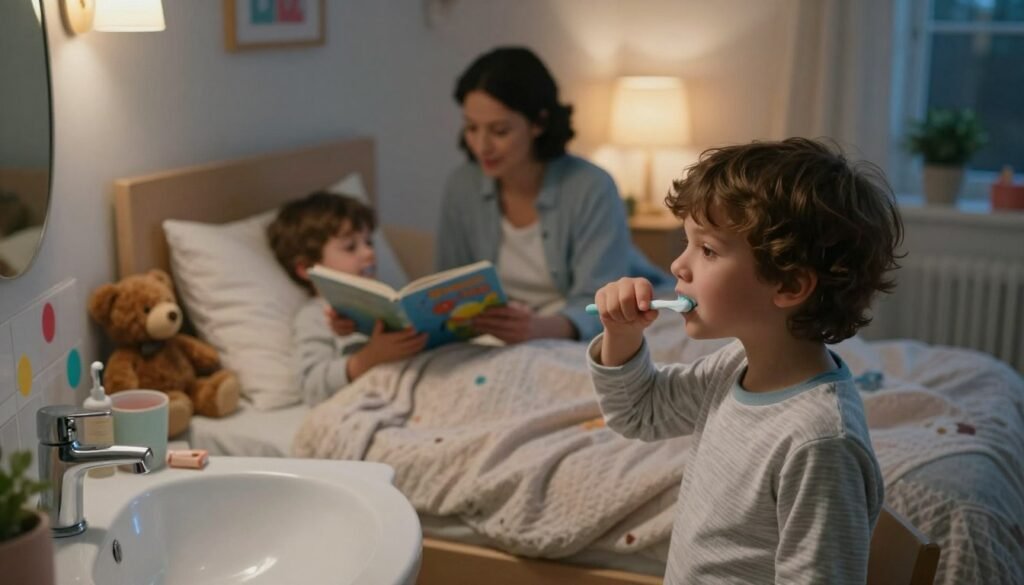
Creating a calming bedtime routine tells kids it’s time for sleep. It gets them ready for a good night’s rest. This improves their sleep quality and overall health. Establishing such a routine not only helps signal to children that it’s time to wind down but also fosters a sense of security and predictability. Incorporating soothing activities like reading a favorite story or listening to soft music can enhance relaxation, making it easier for them to transition into sleep. The routine can also be a cherished time for bonding, allowing parents and children to connect before the day ends.
Building a Calming Pre-Sleep Sequence
Activities like reading or storytelling can calm a child’s mind and body. These help them fall asleep more easily.
Key elements of a calming pre-sleep sequence include:
- Reading a book together
- Taking a warm bath
- Practicing gentle stretches or relaxation techniques
Maintaining Routines Through Weekends and Holidays
Keeping bedtime routines consistent on weekends and holidays is tough. But it’s key for good sleep. Staying consistent helps the child’s body clock stay in sync.
Tips for maintaining routines during disruptions:
- Try to maintain the same bedtime and wake-up times
- Keep the pre-sleep sequence consistent
- Be flexible but consistent in your approach
Natural Ways to Improve Child Sleep Through Nutrition
Nutrition is key to better sleep in kids. Adding natural sleep aids to their diet works well. Some foods and drinks can make sleep quality better, helping kids sleep well.
Foods like bananas and almonds, full of magnesium, relax the body at night. Chamomile tea is also great for a good night’s sleep. It’s important to choose healthy foods for dinner, avoiding sugary and caffeinated drinks.
A diet full of sleep-promoting nutrients helps kids sleep better. Parents can help by adding sleep-friendly foods to their child’s meals. Keeping a regular bedtime routine is also important.