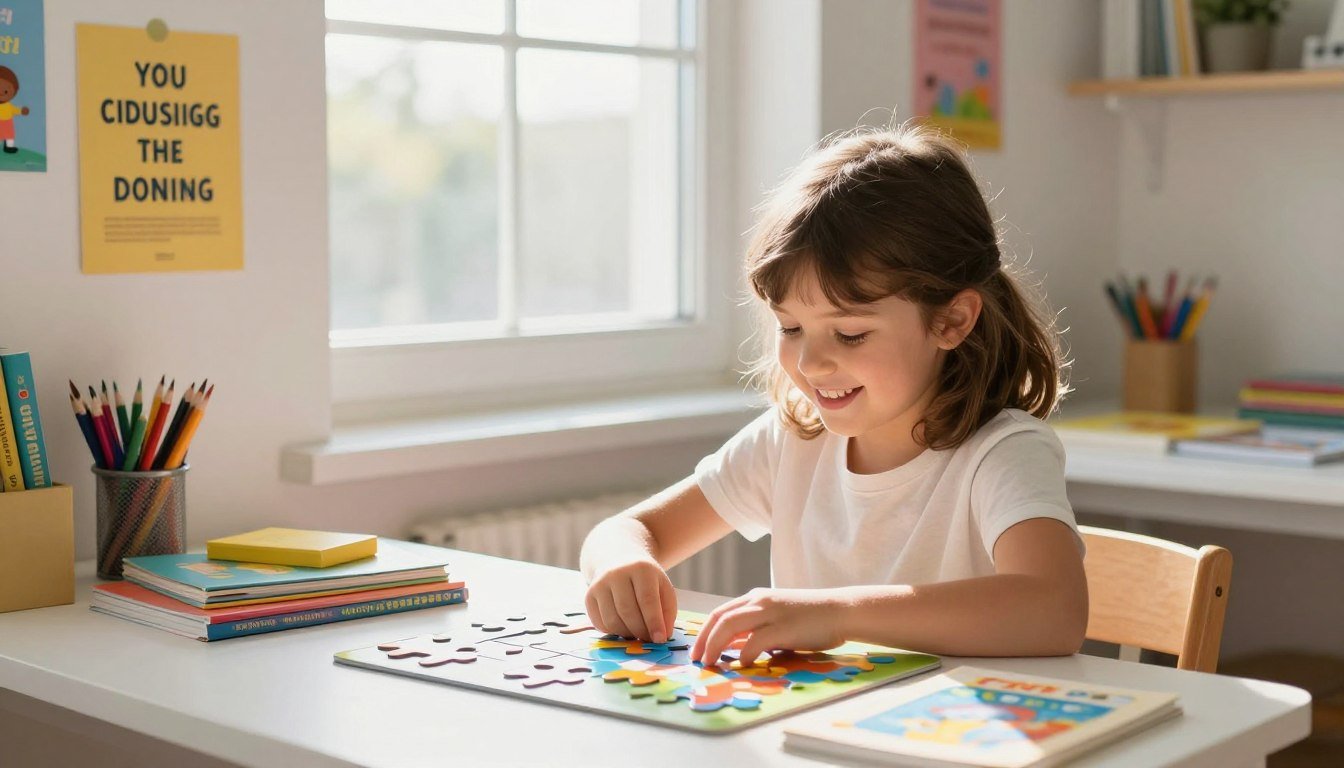

Getting enough quality sleep plays a major role in a child’s brain development, focus, and learning. Research shows that sleep is essential for how the brain processes information, stores memories, and develops new skills. Understanding how sleep affects child focus helps parents see why rest is just as important as study time.
When children don’t get enough sleep, their ability to concentrate and learn can suffer. This often shows up as difficulty paying attention in class, slower learning, and lower academic performance. Poor sleep can make school tasks feel more challenging and frustrating for children.
On the other hand, good sleep supports healthy brain function. Well-rested children are better able to stay focused, manage their attention, and absorb new ideas, making learning easier and more enjoyable.
Key Takeaways
- Sleep greatly affects a child’s focus and learning.
- Not enough sleep can make school hard.
- Enough sleep is key for brain growth.
- Quality sleep helps a child concentrate better.
- Good rest is important for school success.
The Science Behind Sleep and Brain Development
Sleep is key for kids’ brain growth, helping them focus and learn. As kids get older, their sleep changes a lot. These changes are linked to how their brains grow.
Sleep Cycles in Children
Children’s sleep cycles have different stages, like REM and non-REM sleep. These stages are important for brain growth and getting ready for learning. REM sleep, which occurs after about 90 minutes of sleep, is crucial for emotional regulation and creativity, while non-REM sleep is essential for physical restoration and memory processing. Together, these stages ensure that children not only rest but also prepare their brains for the challenges of the day ahead.
REM vs. Non-REM Sleep Importance
REM sleep helps with neural development and memory consolidation. Non-REM sleep is key for brain restoration and growth. Both are important for thinking well. In fact, during REM sleep, the brain is highly active, processing emotions and integrating new information, which is essential for learning and adapting. Meanwhile, non-REM sleep allows for physical recovery and the strengthening of neural pathways, enhancing cognitive abilities such as problem-solving and critical thinking. This interplay between the two stages of sleep ensures that children are not only well-rested but also mentally equipped to tackle the complexities of their daily lives.
How Sleep Patterns Change with Age
As kids get older, their sleep changes. Babies sleep in short cycles, and older kids sleep in longer ones. This shows how their brains are growing and changing.
Brain Activity During Sleep
Sleep isn’t just rest; it’s active. The brain works hard to process memories and learn from experiences. During REM sleep, for instance, the brain engages in vivid dreaming, which plays a crucial role in emotional regulation and creativity. Non-REM sleep, on the other hand, is essential for physical restoration and consolidating factual information. This dynamic activity during sleep ensures that children not only recover physically but also reinforce their learning and cognitive skills, preparing them for the challenges of the day ahead.
Neural Connections Formed During Sleep
In sleep, like REM sleep, the brain makes new neural connections. This boosts learning and thinking skills.
Sleep’s Role in Brain Maturation
Sleep is vital for brain growth. It helps develop skills like attention, memory, and solving problems.
How Sleep Affects Child Focus and Cognitive Function
It’s important to know how sleep helps kids learn and remember. Sleep plays a big role in a child’s ability to focus and learn new things.
Memory Consolidation During Sleep
When kids sleep, their brains work hard to remember things. They move information from short-term to long-term memory. This is key for learning and remembering.
Converting Short-term to Long-term Memory
Sleep makes it easier for kids to remember things later. It strengthens the connections in their brains. This helps them remember better.
Sleep’s Impact on Information Retention
Good sleep helps kids keep information in their brains. This is super important for doing well in school.
Attention Span and Sleep Quality
How well kids sleep affects how long they can focus. Kids who sleep well can focus longer and better.
Sustained Attention and Sleep Duration
How long kids sleep is linked to how long they can pay attention. Kids who sleep enough can pay attention longer.
Selective Focus and Sleep Depth
How deep kids sleep also matters for focusing. Deep sleep helps the brain ignore distractions better.
| Sleep Factor | Impact on Child Focus | Effect on Cognitive Function |
|---|---|---|
| Sleep Duration | Influences sustained attention | Affects memory consolidation |
| Sleep Quality | Affects attention span | Impacts information retention |
| Sleep Depth | Enhances selective focus | Improves cognitive processing |
Sleep Requirements for Different Age Groups
Sleep is very important for kids’ growth. Each age group needs a different amount of sleep. Getting enough sleep helps kids think better, feel happy, and stay focused.
Toddlers and Preschoolers (3-5 years)
Children aged 3-5 need 10-13 hours of sleep. This includes both nighttime sleep and naps. Good sleep helps their brains grow fast and keeps their emotions and actions in check.
School-Age Children (6-12 years)
Kids in school need 9-11 hours of sleep every night. Sleep is key for doing well in school. It helps them remember things better and stay focused.
Teenagers (13-18 years)
Teenagers should get 8-10 hours of sleep each night. Sleep is important for their brains, feelings, and health, even if they seem grown-up.
Knowing and meeting kids’ sleep needs helps them focus and learn better. Teaching them good sleep habits early on is important for their brains and feelings later on.
Recognizing Sleep Deprivation in Children
It’s important to know when kids aren’t getting enough sleep. Sleep is key for their growth, mood, and focus.
Behavioral Indicators of Poor Sleep
Children who don’t sleep well might act differently. These changes can be a worry for parents.
Hyperactivity and Impulsivity
Hyperactivity and impulsivity are signs of sleep issues. Kids might be too active, restless, and act without thinking.
Mood Changes and Irritability
Mood changes and irritability are also signs. Lack of sleep can make kids moody, easily upset, and anxious or depressed.
Physical Symptoms of Sleep Deficiency
Sleep problems can also show up physically in kids.
Fatigue and Energy Levels
Fatigue is a clear sign of not enough sleep. Kids might feel tired, slow, and lack energy for daily tasks.
Growth and Immune System Effects
Sleep issues can harm a child’s growth and immune system. Not sleeping well can weaken their immune system, making them get sick more often.

| Signs of Sleep Deprivation | Behavioral Indicators | Physical Symptoms |
|---|---|---|
| Common Effects | Hyperactivity, Impulsivity, Mood Changes | Fatigue, Weakened Immune System |
| Long-term Consequences | Attention Deficits, Learning Disabilities | Growth Issues, Frequent Illnesses |
The Impact of Sleep Deprivation on Academic Performance
Sleep is key for kids’ learning. It helps with memory and learning. Without enough sleep, kids’ school work suffers. Inadequate sleep can lead to difficulties in concentration, making it harder for children to absorb new information. Furthermore, a lack of rest can negatively affect their ability to retain what they have learned, ultimately hindering their academic progress.
Short-term Effects on Learning Capacity
Sleep loss hurts kids’ school skills. It affects how well they do in class and on tests. This decline in performance can lead to increased anxiety and frustration, making them less likely to engage with their studies. Over time, these challenges can contribute to a negative attitude towards learning and school in general.
Classroom Participation and Engagement
Without sleep, kids find it hard to focus in class. They might not participate as much. This makes it tough for them to learn and remember things.
Test Performance After Poor Sleep
Poor sleep hurts kids’ test scores. It messes with their memory and problem-solving skills. This makes exams harder for them.
Long-term Consequences for Educational Achievement
Long-term sleep loss affects kids’ education. It impacts their grades and learning over time. Insufficient sleep can hinder their cognitive development, making it difficult for them to grasp new concepts. Addressing sleep-related issues is crucial for improving their overall academic performance and well-being.
Cumulative Effects of Chronic Sleep Deprivation
Not getting enough sleep over time lowers grades. It makes learning and remembering harder. This chronic lack of sleep can lead to difficulties in maintaining attention during lessons and a decline in overall academic performance. As a result, students may find themselves falling behind their peers, which can create a cycle of frustration and decreased motivation. Establishing healthy sleep patterns is crucial for children to thrive in their educational pursuits.
Sleep Habits and Grade Point Averages
Good sleep habits link to better grades. Studies show kids who sleep well do better in school.
Teaching kids to value sleep is key for their school success. Parents and teachers can help by making sleep a priority.
Common Sleep Disorders Affecting Children’s Concentration
Sleep disorders can really hurt a child’s ability to focus and learn. These issues can show up in many ways. They can mess up sleep quality and how well a child does in school.
It’s key for parents and caregivers to know about these sleep disorders. This way, they can help kids deal with their problems.
Sleep Apnea in Children
Sleep apnea is when a child stops breathing for a bit during sleep. This can make sleep poor and hurt focus and learning. It can be caused by big tonsils or adenoids, being overweight, or other body issues.
Restless Leg Syndrome and Focus Issues
Restless Leg Syndrome (RLS) makes legs feel weird and makes kids want to move them. RLS can mess up sleep and make it hard to focus. Kids with RLS might feel pain or discomfort in their legs, which goes away when they move.
Childhood Insomnia and Learning Challenges
Childhood insomnia is when it’s hard to fall or stay asleep. It can make kids tired, have a short attention span, and struggle to learn new things. A regular bedtime routine and a good sleep place can help with insomnia.
The Relationship Between Screen Time and Child Sleep Quality
Screens are everywhere in kids’ lives today. This raises worries about how screen time affects their sleep. It’s key to know how screens impact sleep and what steps to take to help.
Blue Light’s Effect on Melatonin Production
Using screens and the blue light they give off can harm kids’ sleep. Blue light can stop the body from making melatonin, the sleep hormone. This can make it hard to fall asleep and lower sleep quality.
Key points to consider:
- Blue light in the evening can make it harder to fall asleep.
- Melatonin is vital for a good sleep-wake cycle.
- Blue light filtering glasses, apps, or software can lessen its effects.
Establishing Healthy Digital Boundaries for Better Focus
Healthy digital limits are key for better sleep and focus in kids. It’s about making rules for screen time, mainly before bed.
Screen-Free Time Before Bed
Having no screens before bed can greatly improve sleep. It lets the body make melatonin naturally, for better sleep.
Technology Use Rules That Support Sleep
Clear tech use rules help kids sleep better. This means setting screen time limits during the day and keeping bedrooms screen-free.
“Children who have a consistent sleep schedule and bedtime routine tend to have better sleep quality and perform better academically.”
Understanding screen time’s impact on sleep and setting healthy digital limits can help kids sleep better. This leads to better focus and learning skills.
Creating the Optimal Sleep Environment to Enhance Focus
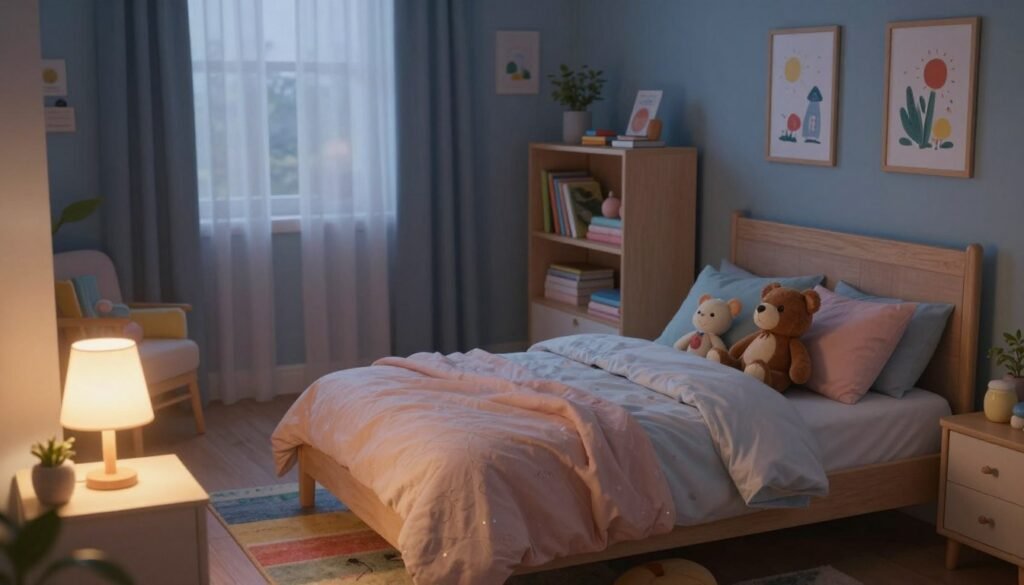
Creating a great sleep setting is key for a child’s focus and brain power. A good sleep area can make sleep better, leading to sharper concentration and learning skills during the day.
Bedroom Setup for Quality Sleep
A tidy bedroom is vital for good sleep. It should be just for sleep and free from distractions.
Comfortable Bedding and Sleep Surfaces
Getting a comfy mattress and pillows is important. The mattress should support the child’s back well. Pillows should be soft and right for their age.
Organization and Clutter Reduction
Having a clutter-free and organized bedroom helps relax the space. Use good storage and teach kids to keep toys and books away from where they sleep.
Environmental Factors: Temperature, Noise, and Light
Things like temperature, noise, and light affect sleep quality a lot.
Using White Noise and Blackout Curtains
White noise machines can cover up noises that might wake them up. Blackout curtains block light, making the room dark and sleep-friendly.
Optimal Bedroom Temperature for Children
Keeping the bedroom temperature between 67-69°F (19-20.5°C) is best for kids. This temperature helps them sleep better.
Establishing Effective Bedtime Routines to Improve Learning Ability
A good bedtime routine can really help a child’s brain work better. It helps them learn more. By doing calming things before bed, parents tell their child it’s time to sleep. This makes their sleep better.
Age-Appropriate Bedtime Rituals
Bedtime rituals need to fit the child’s age. Young kids like a warm bath or a bedtime story. Older kids might enjoy reading or listening to soft music.
Calming Activities for Different Age Groups
Toddlers like reading or singing lullabies. School-age kids do well with relaxation techniques like deep breathing or meditation.
Transitioning from Day to Night
Changing from day to night activities helps kids know it’s bedtime. Dim the lights, lower the noise, and do calming things.
Consistency and Its Benefits for Cognitive Function
Keeping bedtime routines the same is key. It helps kids sleep better and think clearer. They can focus better and remember things easier.
Weekend vs. Weekday Sleep Schedules
Sticking to a sleep schedule every day, even weekends, is good. It keeps their body clock in sync. This makes their sleep and learning better.
Helping Children Understand Sleep’s Importance
Telling kids why sleep is important helps them sleep well. Explain how sleep helps their body and brain. This encourages them to value rest.
| Age Group | Recommended Bedtime Activities | Benefits |
|---|---|---|
| Toddlers (3-5 years) | Reading, storytelling, warm baths | Promotes relaxation, improves sleep quality |
| School-age Children (6-12 years) | Relaxation techniques, reading, calming music | Enhances cognitive function, better concentration |
| Teenagers (13-18 years) | Meditation, deep breathing, dimming lights | Improves sleep quality, reduces stress |
“Consistency is key when it comes to bedtime routines. By establishing a regular sleep schedule and calming pre-sleep activities, parents can significantly improve their child’s learning ability and overall well-being.”
Nutrition, Exercise, and Sleep: A Holistic Approach to Child Focus
Good nutrition, regular exercise, and enough sleep are key for a child’s focus and brain power. These things work together and are important for a child’s growth and learning.
Eating foods full of nutrients helps the brain. Exercise also helps sleep better. And, getting enough sleep is essential for thinking clearly and staying focused.
Foods That Help or Hinder Sleep and Concentration
The foods kids eat can really affect their sleep and ability to focus. Foods rich in tryptophan, like turkey and nuts, can help sleep. But, eating too much sugar and caffeine can mess with sleep and make it hard to focus.
- Make sure they eat sleep-promoting foods like bananas and honey.
- Don’t let kids have caffeinated drinks, like soda or tea, in the afternoon or evening.
- Help them eat a balanced diet with lots of fruits, veggies, and whole grains.
Physical Activity’s Role in Sleep Quality and Attention
Regular exercise is important for better sleep and sharper focus. It helps set the body’s clock right and can lessen anxiety and depression, which can mess with sleep.
Outdoor activities and sports are great for both physical and mental health. Kids should do at least 60 minutes of moderate to hard exercise every day.
Conclusion: Prioritizing Sleep for Academic Success
Getting enough sleep is key for kids to do well in school. Sleep helps kids think clearly, remember things, and stay focused. It’s important for their learning and growth.
Parents and caregivers can help kids sleep well by understanding how sleep affects the brain. They can make a good sleep space, set up bedtime routines, and encourage healthy habits. This includes eating right and being active.
When parents focus on sleep, kids can reach their highest levels of achievement. Making sleep a priority helps kids do well in school. It also sets them up for success in the future.